
fusion energy

Meet the Fusion Energy Team

INL’s fusion experts bring together deep expertise in tritium science, materials, modeling and advanced systems to help solve the most critical challenges in fusion energy.

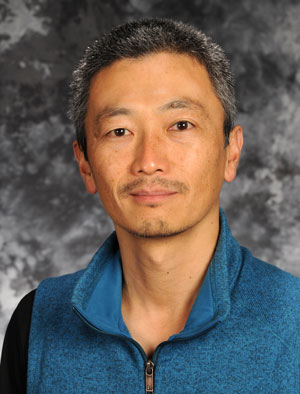
Masahi Shimada

Masashi Shimada

Experiments Lead
Chase Taylor

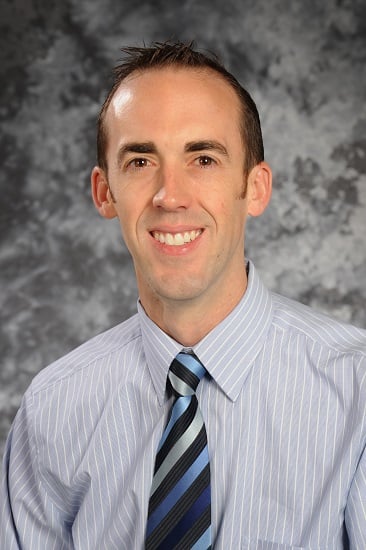
Chase Taylor

Fusion Safety Experiment
Research Scientist
Tommy Fuerst

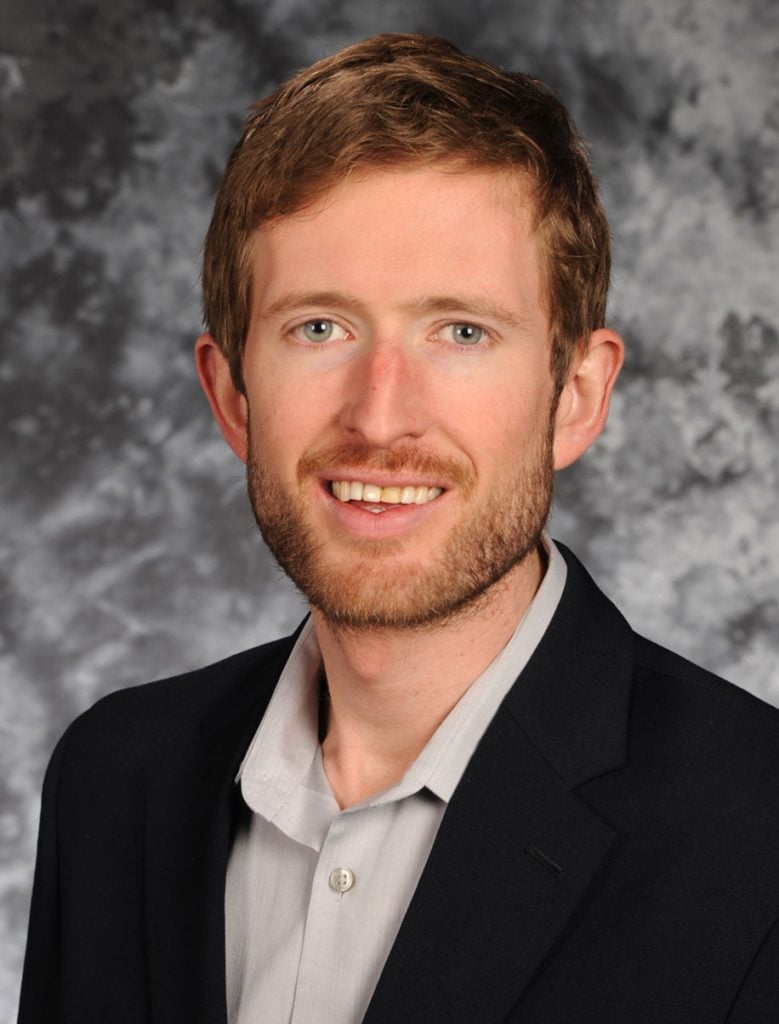
Tommy Fuerst

Fusion Safety Experiment
Research Scientist
Adriaan Riet

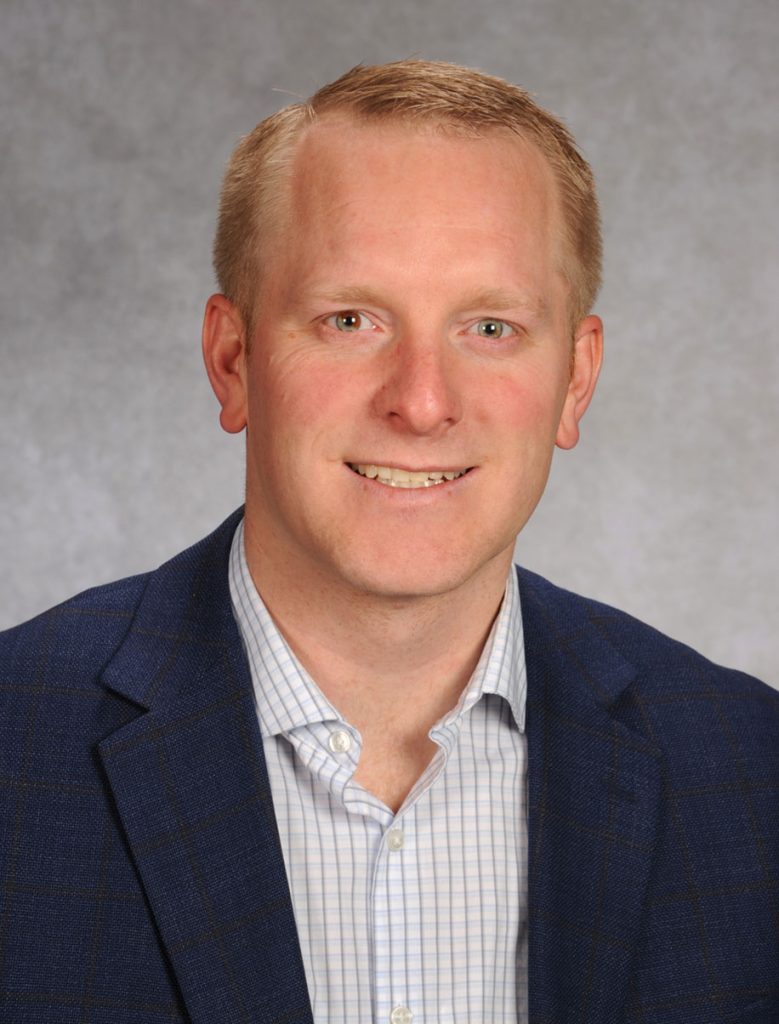
Adriaan Riet

Research Scientist

Matthew Eklund

Matthew Eklund

Research Scientist

L. Shayne Loftus

L. Shayne Loftus

​Facility Operations

Pattrick Calderoni

Pattrick Calderoni

Senior Technical Advisor
Casey Icenhour

Casey Icenhour

Computational Scientist
Dr. Pierre-Clément (PC) Simon

Pierre-Clément (PC) Simon

Computational Scientist
Dr. Wei Tang

Wei Tang

Postdoctoral Researcher

Dr. Mayura Silva

Mayura Silva

Staff Scientist

Anthony Bowers

Anthony Bowers

Postdoctoral Researcher
Jacob Abbott portrait

Jacob Abbot

Research and Development Technician
Ravi Kumar

Postdoctoral Researcher
Volodymyr Buturlim

Volodymyr Buturlim

Staff Scientist
Kristy Meakins portrait

Kirsty Meakins

Graduate Student Intern

Masahi Shimada

Masashi Shimada

Experiments Lead

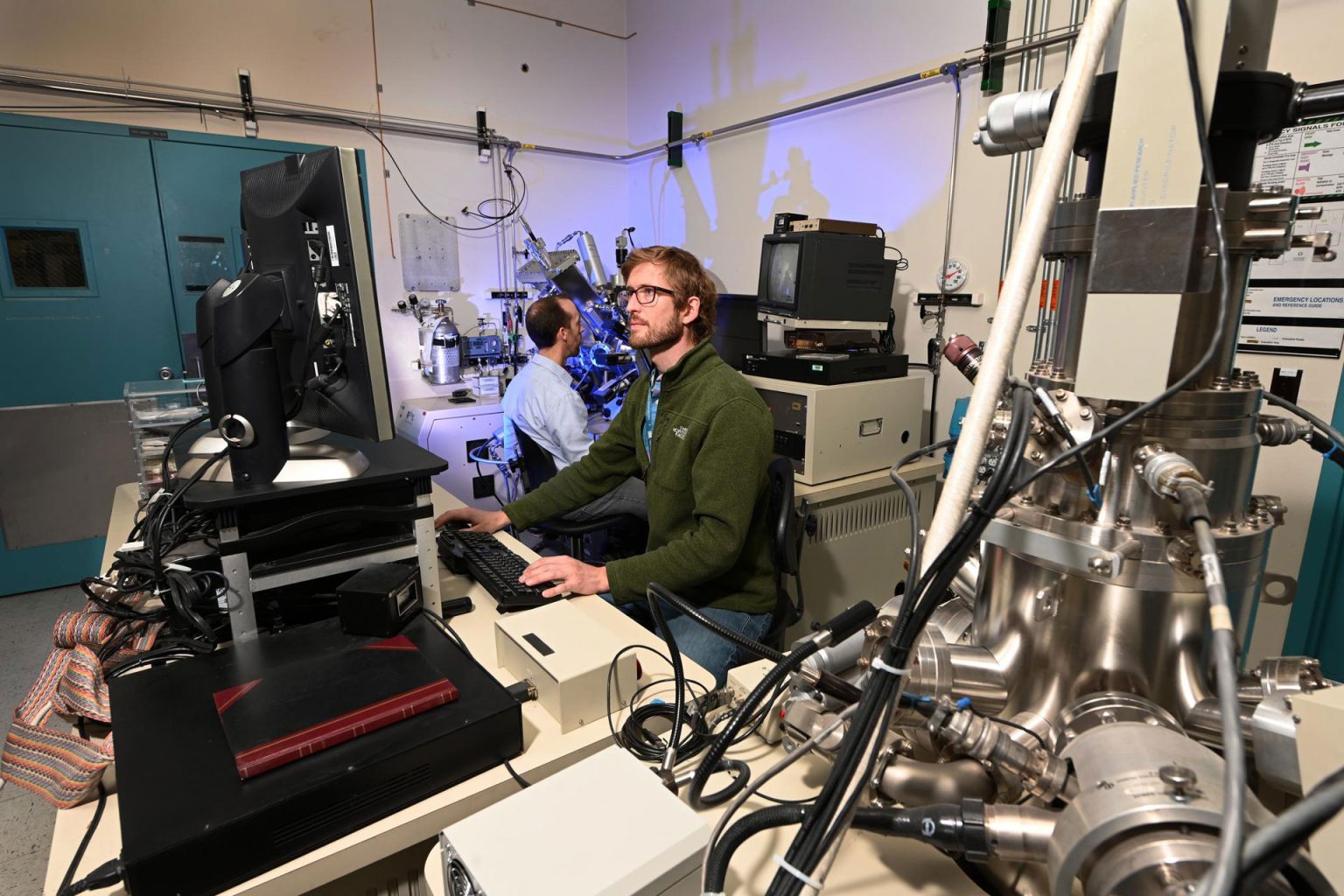
Leading Principal Investigator at the Safety and Tritium Applied Research (STAR) facility at INL in support of the DOE Fusion Energy Science tritium and safety research. Principal  Investigator of the Tritium Plasma Experiment (TPE), Tritium Lead Lithium Eutectic (TLLE) experiment, and the Tritium Heat eXchanger experiment (THX). Conducts experiments and numerical modeling of hydrogen isotope permeation, especially tritium, and transport in materials for fusion applications as well as for the DOE Nuclear Energy (NE) Very High Temperature Reactor (VHTR) fission plant design. Serves as the Task 1 (In-Vessel Tritium Source Term) coordinator for the International Energy Agency (IEA) Implementing Agreement on the Environmental, Safety and Economic Aspects of Fusion Power (ESE-FP). PhD in Engineering Physics from the University of California-San Diego. Joined INL in 2007.​

Chase Taylor

Chase Taylor

Fusion Safety Experiment Research Scientist

Experimental researcher with expertise in hydrogen retention, plasma material interactions, fusion technology, surface chemistry analysis techniques, vacuum systems. Research interests include tritium retention in neutron damaged refractory materials, techniques for measuring defect concentration, and tritium permeation. Principal researcher for STAR surface characterization equipment, including glow discharge optical emission spectroscopy (GD-OES), X-ray photoelectron spectroscopy (XPS), scanning Auger microprobe (SAM), positron annihilation spectroscopy (PAS), and thermal desorption spectroscopy (TDS). Operates the neutron irradiated material ion implantation experiment (NIMIIX) focusing on deuterium ion implantation. Conducts thermal desorption spectroscopy and positron annihilation spectroscopy. PhD in nuclear engineering from Purdue University. Joined INL in 2012.

Tommy Fuerst

Tommy Fuerst

Fusion Safety Experiment Research Scientist

Researcher specialized in hydrogen membrane technology, hydrogen transport and permeation, thin-film deposition, and surface analysis. Research interests include fusion fuel cycle technology such as tritium extraction from breeder blanket systems and superpermeable membranes for torus exhaust pumping and separation, multiphase mass transport, systems analysis, and tritium issues and mitigation in molten salt reactors. He joined INL in 2019 after completing his PhD in Chemical Engineering from the Colorado School of Mines and BS in Chemical Engineering from University of Colorado Boulder. When not researching tritium, he can be found in the local mountains rock climbing and skiing. 

Adriaan Riet

Adriaan Riet

Research Scientist

Adriaan received a BS in Chemical Engineering from BYU in 2015 and a PhD from Case Western Reserve University in 2020. He has been involved in research projects related to cryogenic carbon capture, micron-scale battery characterization and self-charging particle adhesion. His thesis addressed transport properties of materials under the conditions of the earth’s core-mantle boundary using molecular dynamics simulations. He currently works within the AGR program investigating the transport of fission products in nuclear-grade graphites with data from the AGR-3/4 experiments.​

Matthew Eklund

Matthew Eklund

Research Scientist

Matthew is a research scientist specializing in computational modeling and simulation for nuclear reactor systems. He is currently involved in the Fusion Safety Program in the development of the MELCOR-TMAP code for modeling and simulation of fusion systems performance and accident scenarios. His previous research has been focused on neutronics and thermal-hydraulics analysis of fission reactor systems and the development of a set of benchmarks based on temperature-dependent critical experiments performed at the Walthousen Reactor Critical Facility (RCF) owned and operated by Rensselaer Polytechnic Institute. He received a B.S. in Mechanical Engineering and M.S. in Nuclear Engineering from The University of Utah and a Ph.D. in Nuclear Engineering & Science from Rensselaer Polytechnic Institute. Matthew joined INL as an intern in 2015 after completing his research for his master’s degree and as a postdoctoral researcher in 2021. His interests include philosophy, theology, science fiction and fantasy novels, art, and computer gaming.

L. Shayne Loftus

L. Shayne Loftus

​Facility Operations

Facility Operations Professional at the Safety and Tritium Applied Research (STAR) facility at Idaho National Laboratory. Responsible for tritium accountability measurements and documentation as well as assisting in laboratory activities at the STAR lab. Knowledgeable in tritium controls, accountancy and tritium measurement systems, and spectroscopic radiation measurements. Supports investigation of tritium permeation i​n high temperature alloys, hydrogen isotope transport in fusion relevant material studies including irradiated materials, tritium recovery and generation, waste characterization, getter applications, and radiation monitoring systems. Certificate of Applied Science in Radiation Safety from College of Eastern Idaho. Worked at INL since 1992. Also, enjoys farming, carpentry, skiing, running, and exploring the outdoors.​

Pattrick Calderoni

Pattrick Calderoni

​Senior Technical Advisor

Pattrick Calderoni is the National Technical Director of the Advanced Sensor and Instrumentation program, which is an element of the Department of Energy, Nuclear Energy research portfolio. He also acts as the Senior Technical Advisor for the Idaho National Laboratory Fusion Safety Program. Dr. Calderoni has more than 20 years’ experience in the development of fission and fusion energy systems and testing of nuclear components. In addition to sensors, his technical expertise includes molten salt reactors and tritium technology. He holds a B.S. in Nuclear Engineering and has received his Ph.D. and M.S. in Mechanical Engineering from the University of California, Los Angeles.​​

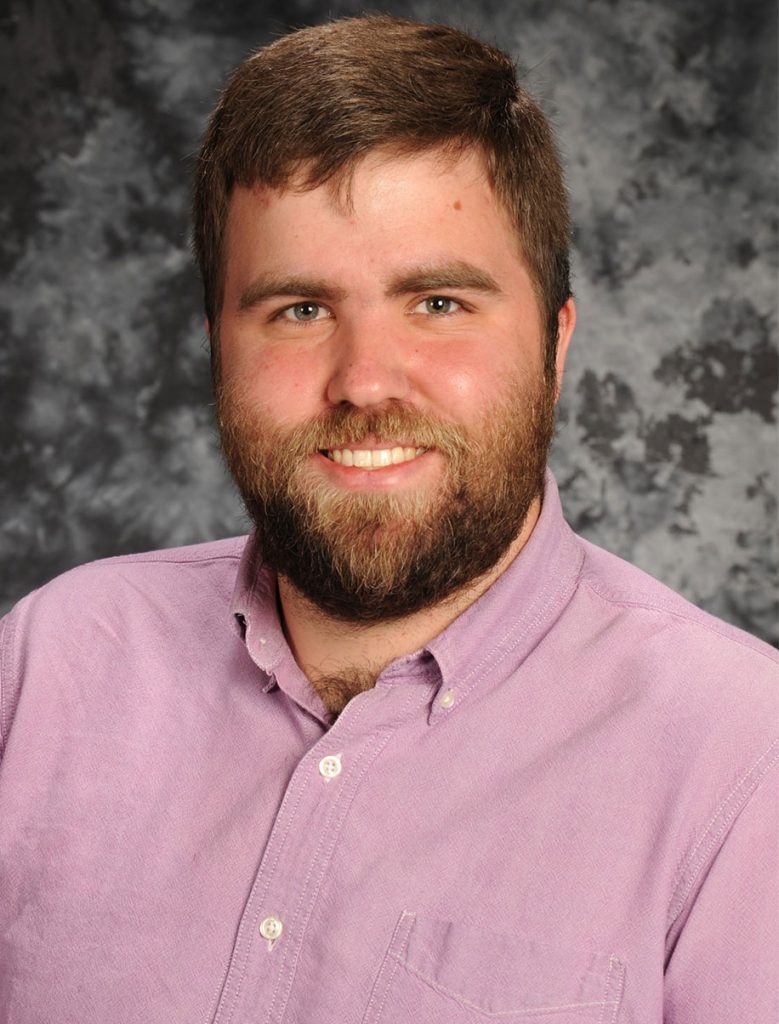
Casey Icenhour

Dr. Casey Icenhour

Computational Scientist

Dr. Casey Icenhour is a specialist in computational electromagnetics, multiphysics simulation using finite element methods, and plasma physics. His research interests include applications of electromagnetics to advanced manufacturing and novel materials production, superconducting magnet system design and safety evaluation, tritium migration analysis, and scrape-off layer plasma dynamics in tokamaks. He is also a development team member and software quality assurance lead for the Multiphysics Object Oriented Simulation Environment (MOOSE) framework as well as several MOOSE-based applications (TMAP8, MALAMUTE, and SALAMANDER). He joined the lab in 2018 as a student researcher under the INL Graduate Fellows program before transitioning to a technical staff member after the earning his Ph.D. in nuclear engineering from North Carolina State University in 2023. He received a bachelor’s in electrical engineering from Western Carolina University in 2012. When not creating models of complex physical systems using MOOSE, he enjoys going to the movies and taking road trips throughout the Intermountain West.
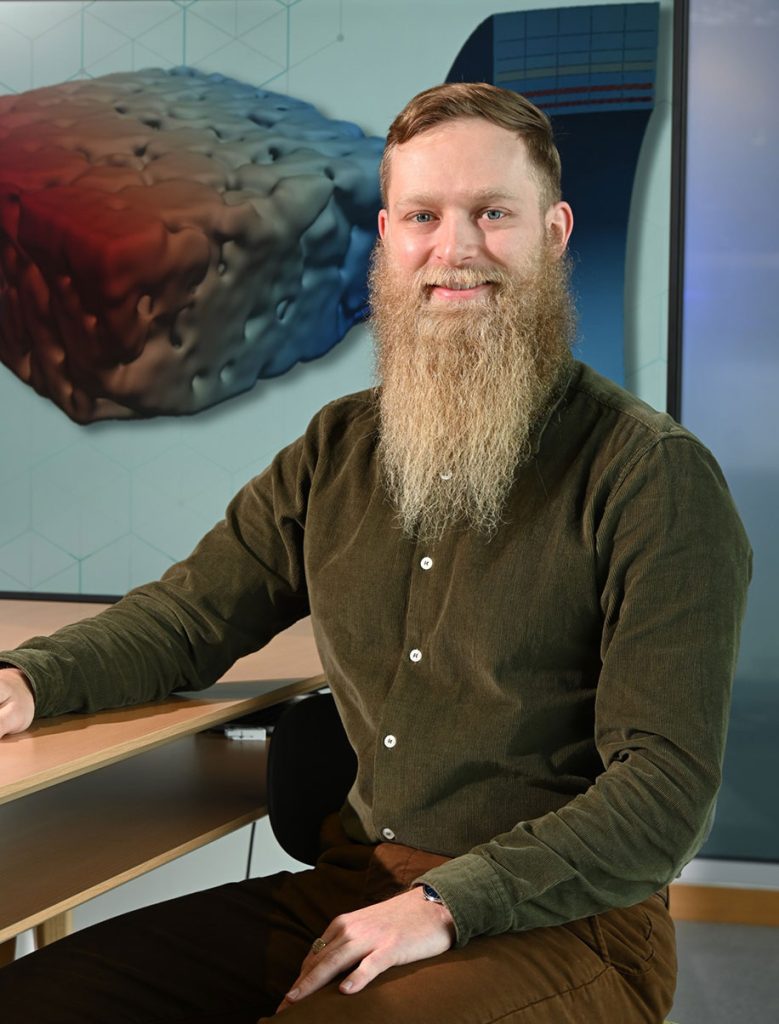
Dr. Pierre-Clément (PC) Simon

Dr. Pierre-Clément (PC) Simon

Computational Scientist

Dr. Pierre-Clément (PC) Simon is a computational scientist and fuel performance modeler at Idaho National Laboratory with a joint appointment at the Pennsylvania State University. Simon develops advanced modeling and simulations tools and models for both fusion and fission energy system. He holds a Ph.D. in nuclear engineering from The Pennsylvania State University, a master’s in engineering science from the Ecole Centrale de Lyon in France, a master’s in nuclear engineering from The Pennsylvania State University, and a bachelor’s in applied mathematics from the University Claude Bernard de Lyon in France. Simon is the 2024 INL Laboratory Director Inclusive Diversity awardee and 2024 American Nuclear Society (ANS) Young Members Group Excellence awardee. He co-chairs the American Nuclear Society Young Members Group program committee and is a member of the executive committee for the ANS Materials Science and Technology Division the Fusion Energy Division and the ANS Technical Journals Committee.

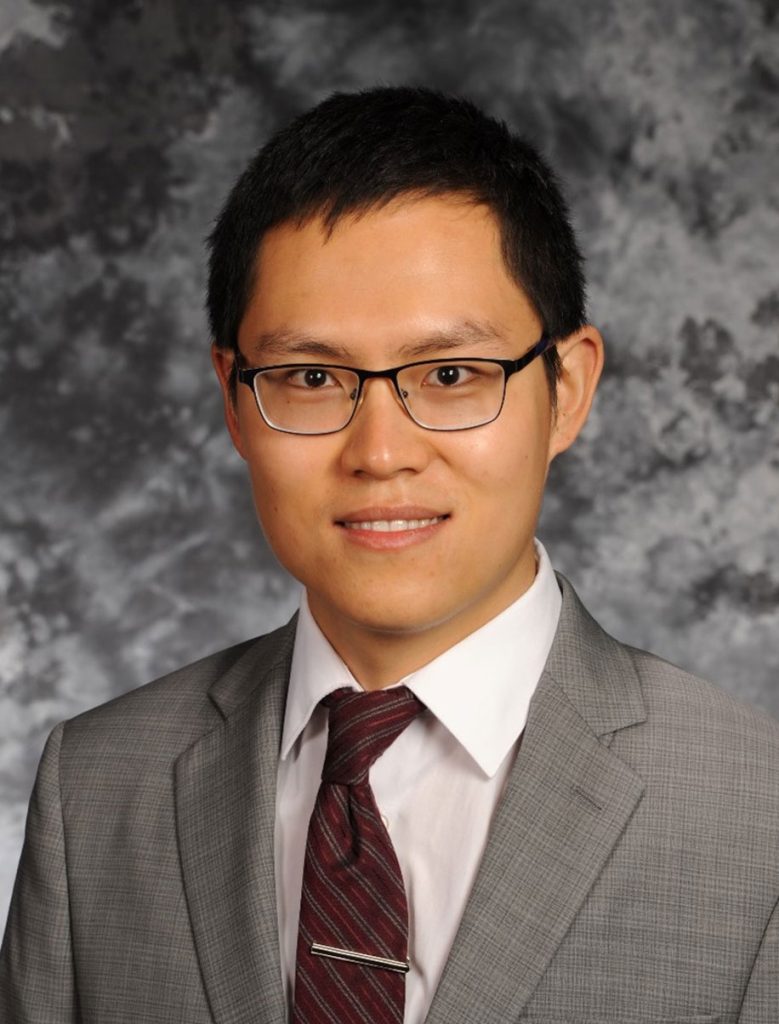
Dr. Wei Tang

Dr. Wei Tang

Postdoctoral Researcher

Dr. Wei Tang is a postdoctoral researcher specializing in developing ceramic proton conductors for fusion fuel cycles. His work includes applications in hydrogen isotope purification, compression and separation. With expertise in electrochemistry for energy storage and conversion, and hydrogen energy, he excels in materials design, synthesis, characterization, and the manufacturing and testing of electrochemical devices. Wei earned his Ph.D. in chemical engineering from New Mexico State University in 2022. He began  as an intern at INL in 2019, focusing on proton conductors and hydrogen production. Following his Ph.D., he conducted battery research at the University of California, San Diego. He returned to INL as a postdoctoral researcher in 2024. Besides research, he enjoys reading, hiking and other outdoor activities.

Dr. Mayura Silva

Dr. Mayura Silva

Staff Scientist

Dr. Mayura Silva is a staff scientist at Idaho National Laboratory’s Fusion Safety Program. His research focuses on the separation of hydrogen isotopes, understanding tritium retention and release characteristics, developing efficient methods for the extraction and purification of tritium, and material characterization. Silva earned his bachelor’s in chemistry from the University of Colombo, Sri Lanka, in 2015, and his Ph.D. in chemistry from Clemson University in 2023, where he specialized in membrane-based electrochemical hydrogen isotope separation in collaboration with Savannah River National Laboratory on a Department of Energy-funded project. After his Ph.D., he joined Idaho National Laboratory as a postdoctoral research scientist, studying gas diffusion in nuclear graphite. As a staff scientist, he is developing a tritium-compatible thermal desorption spectroscopy (T-TDS) system and tritium extraction membranes. His expertise includes electrochemistry, materials science, membrane-based separation technologies, and mass spectrometry. Outside work, Silva enjoys photography, traveling, board games, video games and reading.

Anthony Bowers

Anthony Bowers

Postdoctoral Researcher

Anthony Bowers is a Ph.D. candidate at the University of Massachusetts Lowell specializing in fusion systems and tritium extraction. His research spans several areas, including single- and two-phase flow simulation, tritium extraction design processes, and system-level process simulation. He is dedicated to developing robust, accurate and reproducible models. Before joining INL, Bowers spent five years teaching and mentoring undergraduate and graduate students. Outside of his academic and modeling pursuits, he enjoys weightlifting, building computers and spending quality time with his wife.

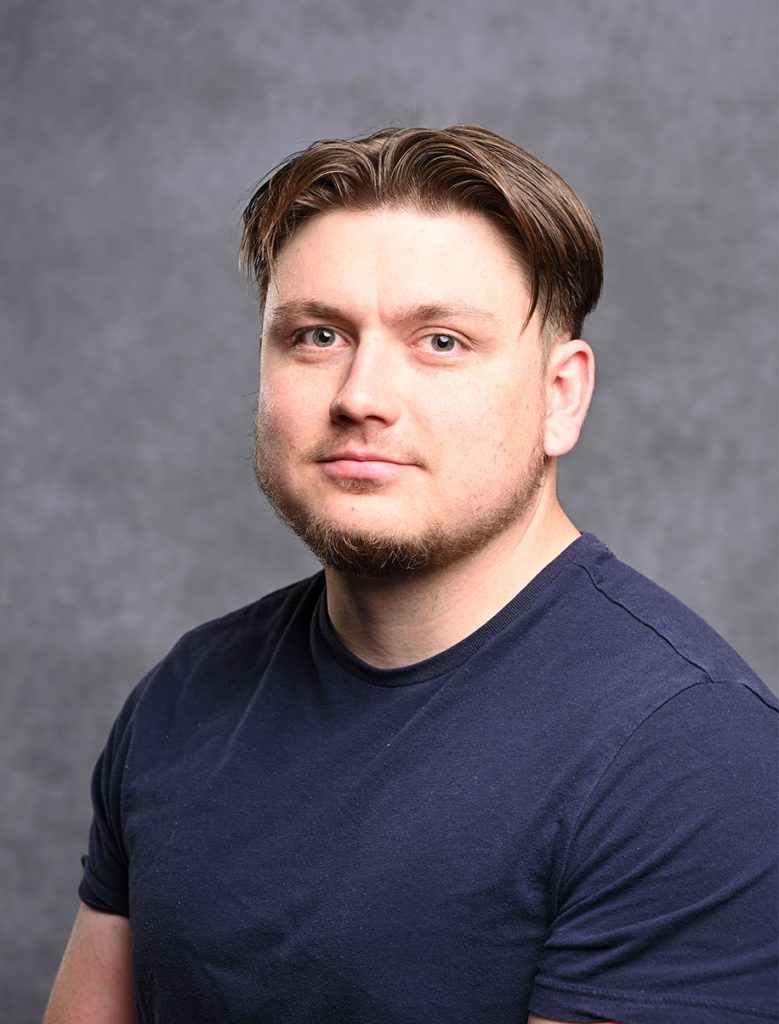
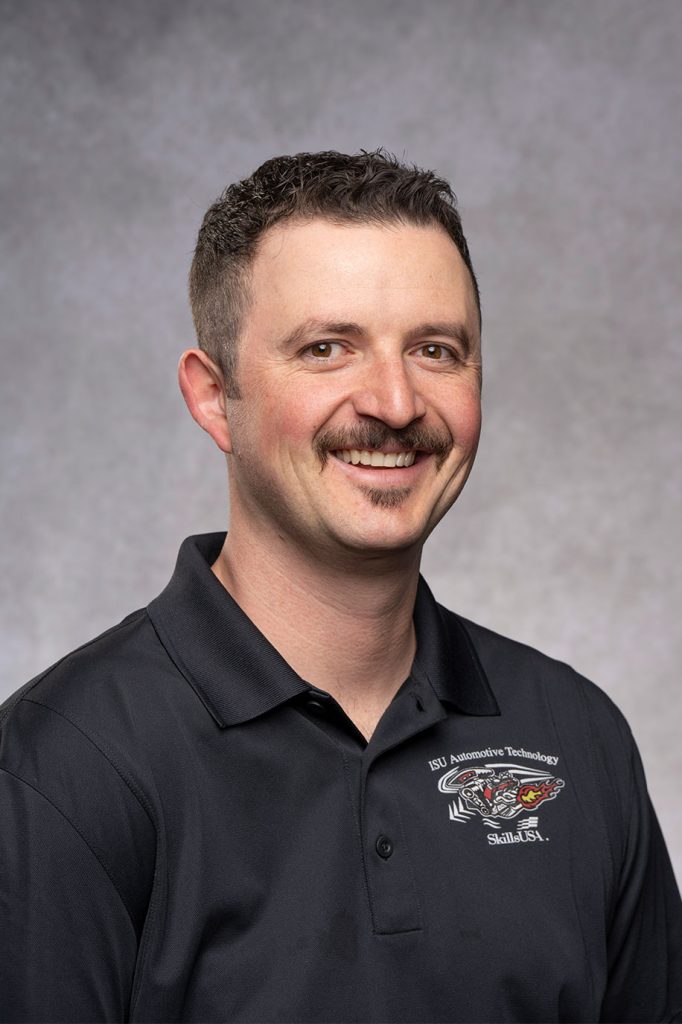
Jacob Abbott portrait

Jacob Abbot

Research and Development Technician

Jacob Abbott is a research and development technician at INL. He has been with INL for nearly five years and recently stepped into this role, where he supports research teams through the procurement, assembly, troubleshooting, and operation of specialized laboratory equipment. Abbot brings over a decade of varied, hands‑on technical experience across multiple skilled trades, contributing a practical, reliable and solution‑driven approach to laboratory operations. Before transitioning into R&D, Abbott supported operations at a Category 2 nuclear facility involving sodium‑bearing waste. In that role, he gained experience with highly regulated work environments, critical safety protocols, and the technical systems required to manage radioactive and chemical materials safely. This background strengthened his attention to detail, procedural discipline and ability to work effectively in mission‑critical environments. He holds an associate degree in automotive technologies from Idaho State University. His technical background and adaptable skill set help ensure experimental readiness and smooth execution of research activities across multiple programs at INL. Outside of work, Jacob enjoys off‑road motorcycling and mechanical restoration projects, camping with his family, golfing, and participating in recreational firearms sports.

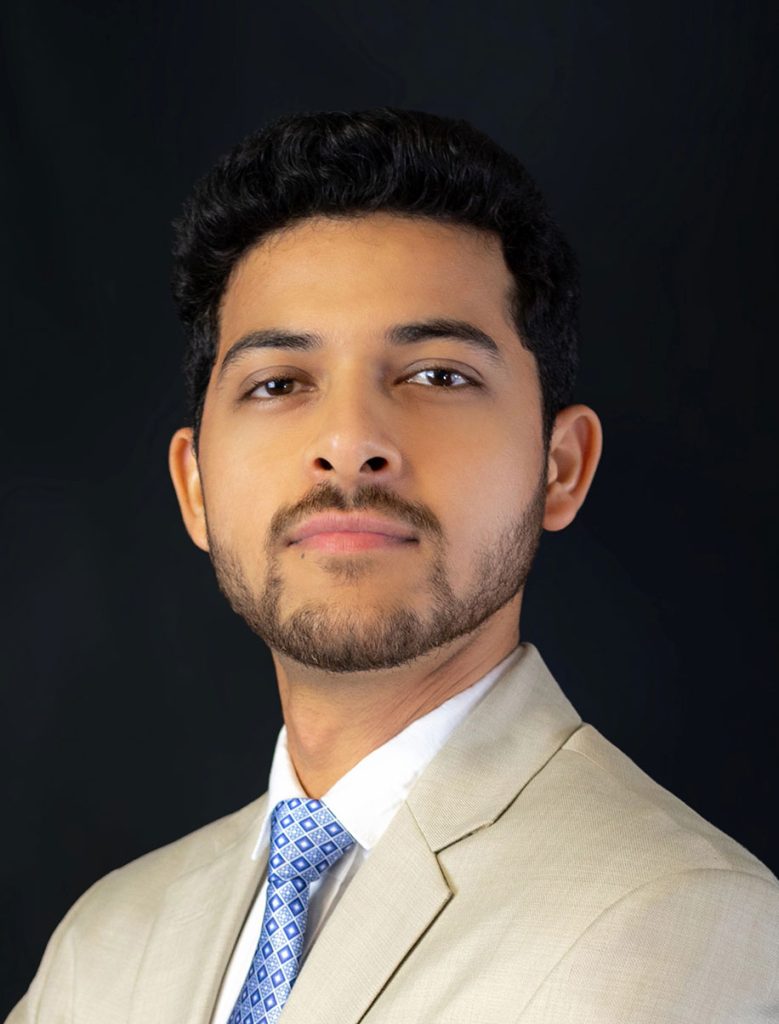
Ravi Kumar

Postdoctoral Researcher

Ravi Kumar is a postdoctoral researcher at STAR at INL. His research focuses on plasma material interactions for fusion-energy applications, with an emphasis on understanding deuterium-tritium plasma interaction with first-wall materials such as tungsten. Using the Tritium Plasma Experiment at STAR, Kumar combines experimental plasma diagnostics with advanced materials characterization techniques such as focused ion beam scanning electron microscope, tunneling electron microscopy and atom-probe tomography to investigate hydrogen-isotope retention and surface evolution under divertor-relevant fluxes.

Kumar received his bachelor’s in physics from the University of Delhi and his master’s in physics from the National Institute of Technology, Trichy, India. He earned his Ph.D. from the University of Memphis in collaboration with the Magnetized Plasma Research

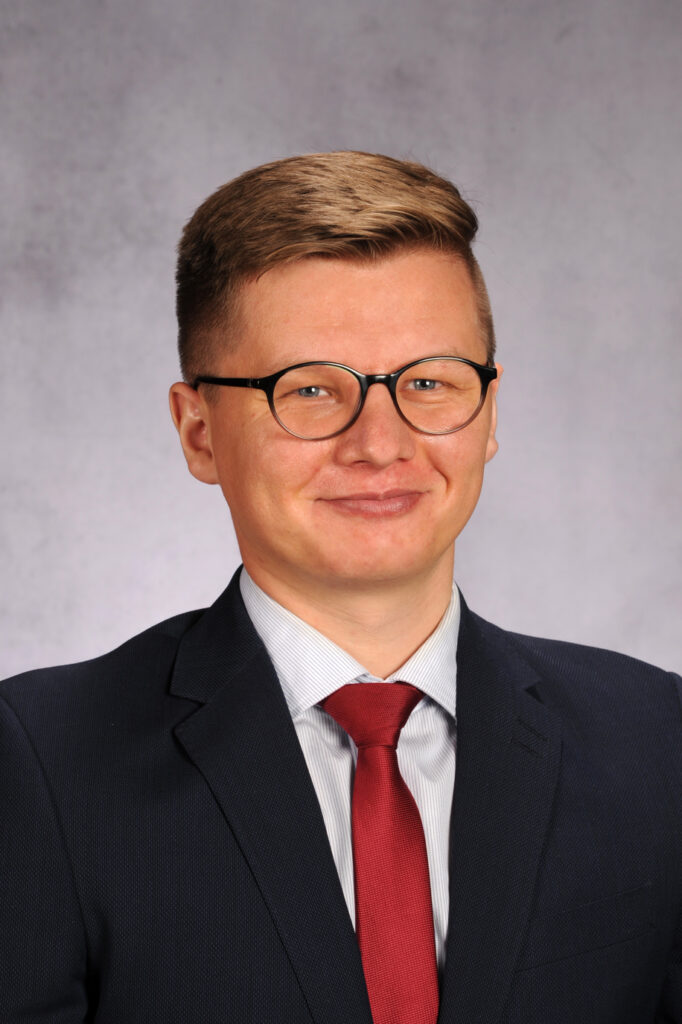
Volodymyr Buturlim

Volodymyr Buturlim

Staff Scientist

Volodymyr Buturlim is a staff scientist whose research focuses on tritium permeation and retention and on developing efficient methods for materials characterization. He obtained his Ph.D. in condensed-matter physics from Charles University, Czech Republic, in 2021, where he investigated the electronic and magnetic properties of localized and delocalized 5f electron systems — primarily uranium-based materials in the form of hydrides, alloys, single crystals and thin films. In 2023, he joined INL as a Glenn T. Seaborg distinguished postdoctoral research associate, studying electron transport, magnetism and magnetoelastic interaction in quantum materials. He is currently developing the Permeation Experiment for Asymmetric Surfaces and tritium-charging systems. Outside of work, Buturlim enjoys traveling, cycling, hiking and reading.

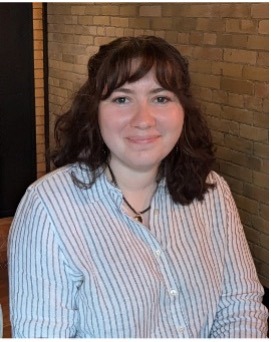
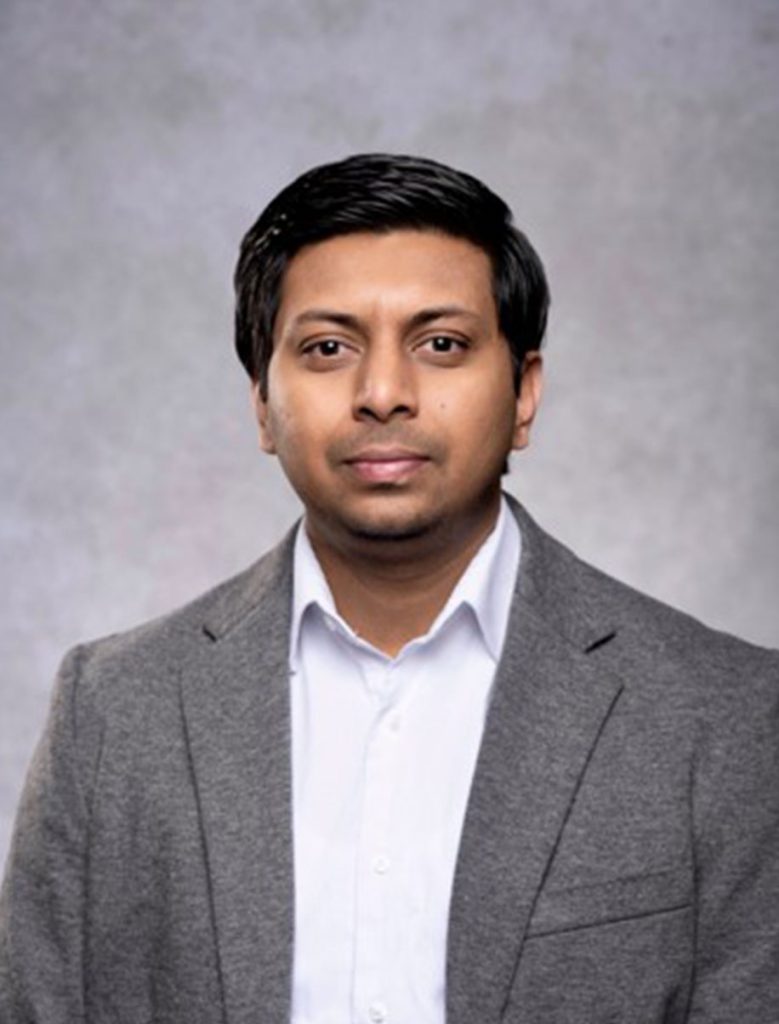
Kristy Meakins portrait

Kirsty Meakins

Graduate Student Intern

Kirsty Meakins is a Ph.D. candidate at the Colorado School of Mines, completing her doctoral work in collaboration with INL, where she serves as a graduate intern. Her research focuses on hydrogen permeation barriers and hydrogen retention in metal hydrides. At INL, she contributes to the development and construction of the Cycling Hydride Isotope Regeneration Project as well as the hot vacuum-extraction system. She holds bachelor’s degree in physics and history from the University of Colorado Boulder and a master’s in nuclear science and engineering from the Colorado School of Mines. Outside of work, Meakins enjoys reading, hiking, camping and crafting.