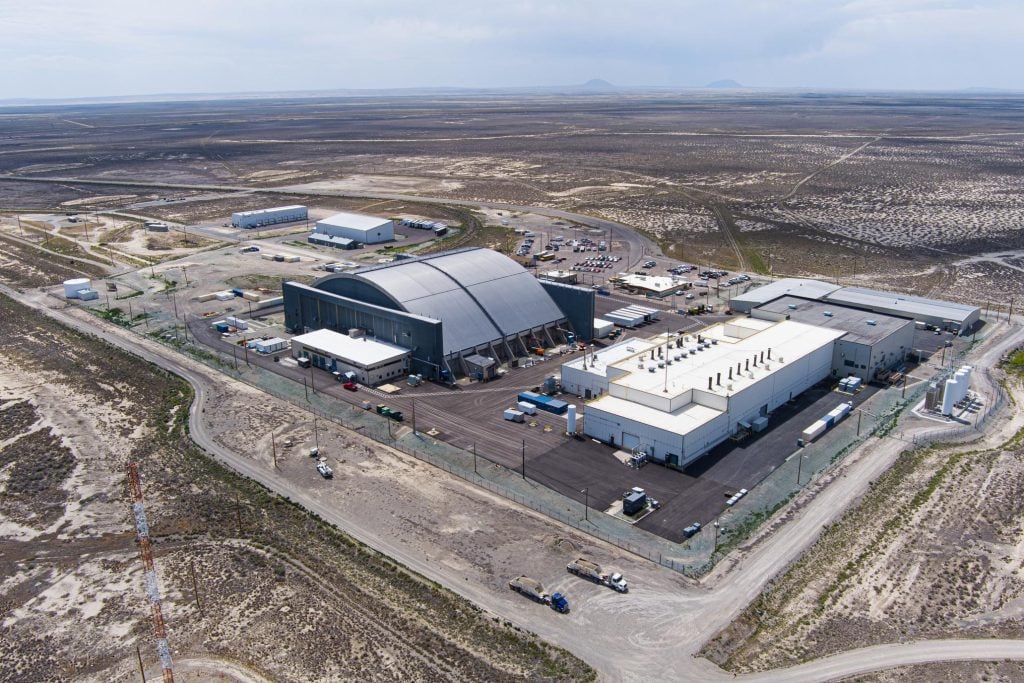
Idaho National Laboratory (INL) is a U.S. Department of Energy (DOE) national laboratory and the nation’s center for nuclear energy research, development, and demonstration. As one of 17 DOE national laboratories, INL advances nuclear energy, integrated energy systems, and national security solutions. Research and cleanup activities are conducted at the Research and Education Campus (REC) in Idaho Falls and across the 890-square-mile INL Site approximately 50 miles west of the city.
Dept. of Energy’s Office of Nuclear Energy (DOE-NE)
Idaho Cleanup Project (ICP)
Idaho Environmental Coalition (IEC)
Dept. of Energy’s Office of Environmental Management (DOE-EM)
Naval Reactors Facility (NRF)
Programs Key
Department of Energy (DOE)
Department of Energy Office of Critical Minerals and Energy Innovation (CMEI)
Department of Energy Office of Environment Management (EM)
Department of Energy Office of Nuclear Energy (NE)
Department of Homeland Security (DHS)
Department of Justice (DOJ)
Department of War (DOW)
National Nuclear Security Administration (NNSA)
Naval Reactors (NR)
Nuclear Energy
INL is leading the nation’s research in advanced nuclear energy technology. Our scientists and engineers study reactors that can enhance reliable domestic energy, materials that can optimize performance of nuclear reactors, and applications that help us explore worlds.
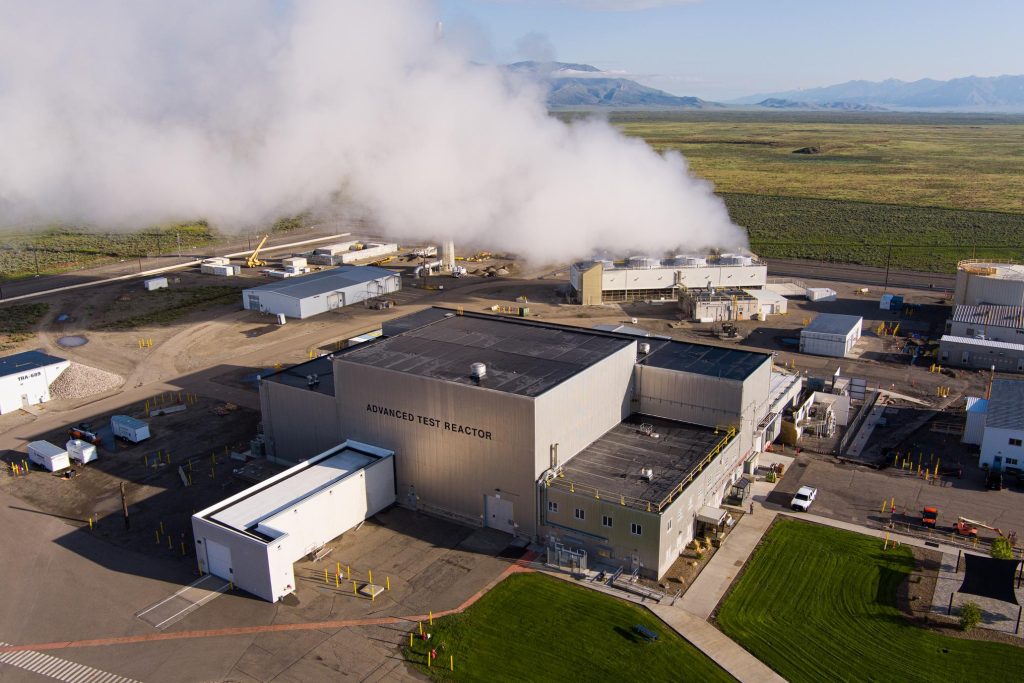
Advanced Test Reactor
The Advanced Test Reactor (ATR) provides unmatched, national priority nuclear fuel and materials testing capabilities for military, federal, university and industry partners and customers.
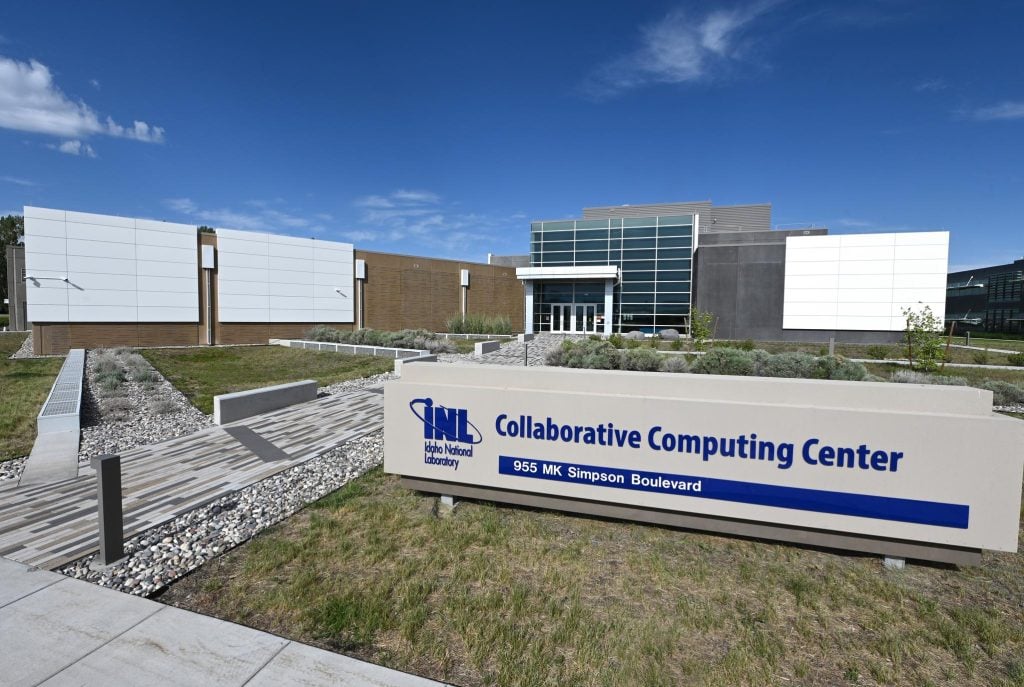
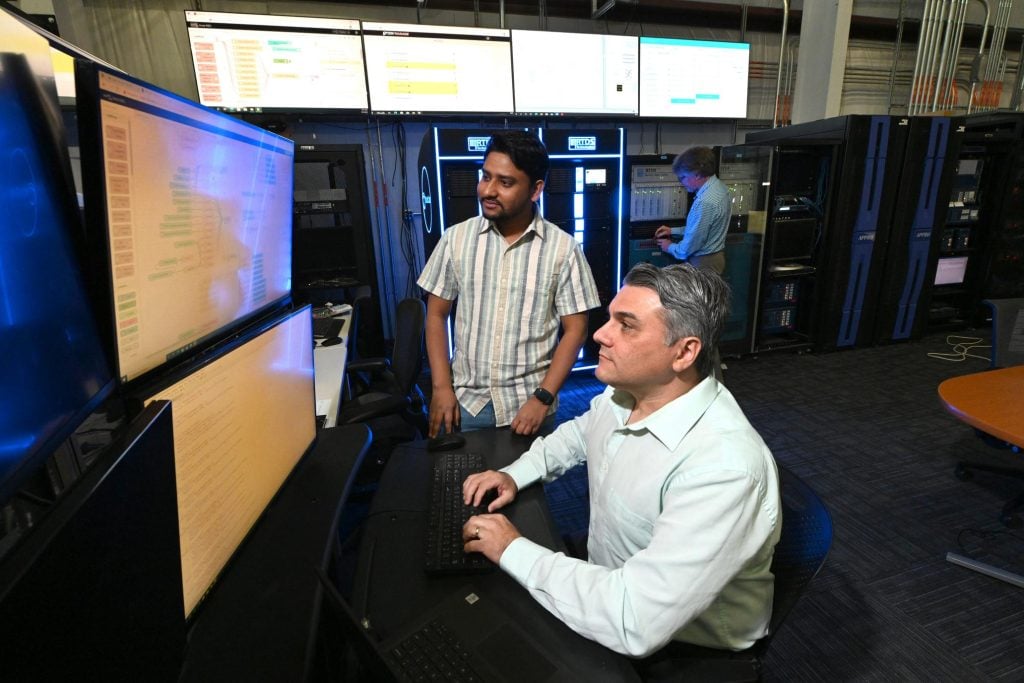
The Collaborative Computing Center’s high-performance computing resources (supercomputers) enable scientific computing and visualization. Their use in INL research has expanded across diverse disciplines and driven innovation in energy research.
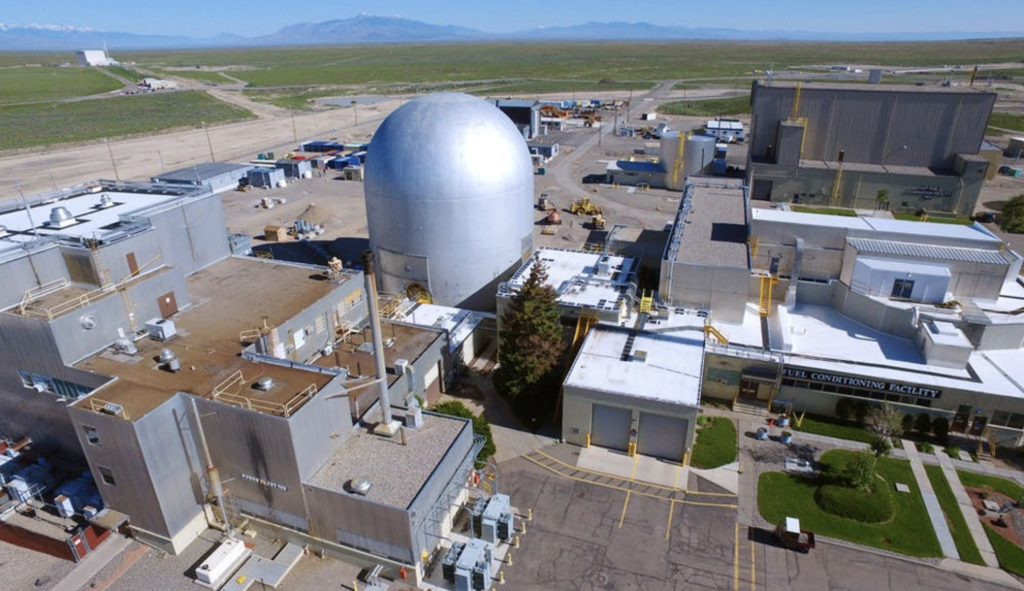
The Fuel Conditioning Facility (FCF) at Idaho National Laboratory’s Materials and Fuels Complex supports nuclear energy research and development for the U.S. Department of Energy and other customers. FCF’s unique capabilities make it an ideal facility for its primary mission to support treatment of DOE-owned sodium-bonded metal fuel.
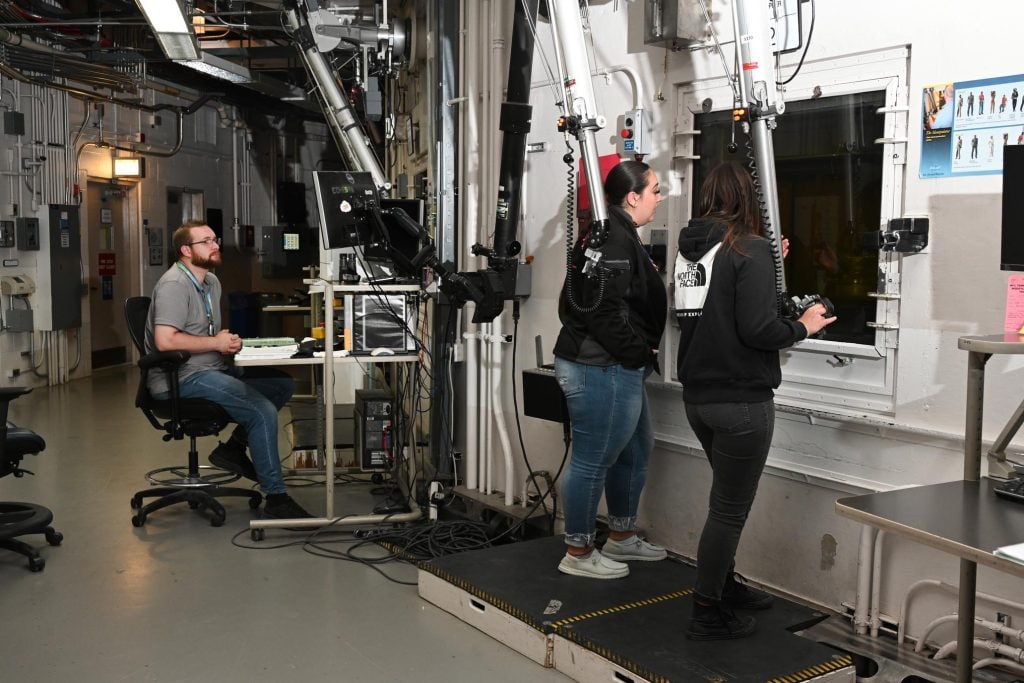
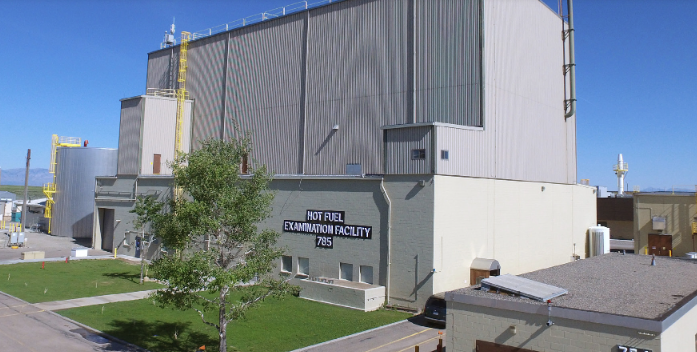
The Hot Fuel Examination Facility (HFEF) is Idaho National Laboratory’s flagship facility for conducting post-irradiation examinations of fuels and materials.
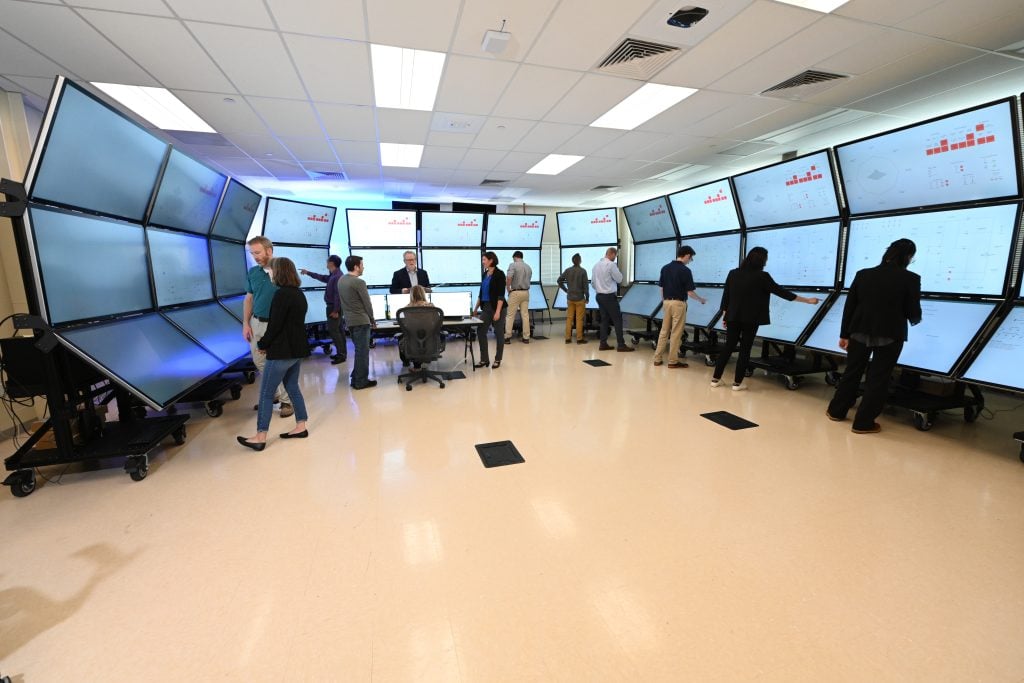
The Human Systems Simulation Laboratory (HSSL) is a complete virtual nuclear control room created to safely test new technologies before they are implemented in real commercial reactor control rooms. The HSSL can interactively simulate digital, analog and combination systems with touch-screen versions of analog physical controls as well as their modern digital counterparts.
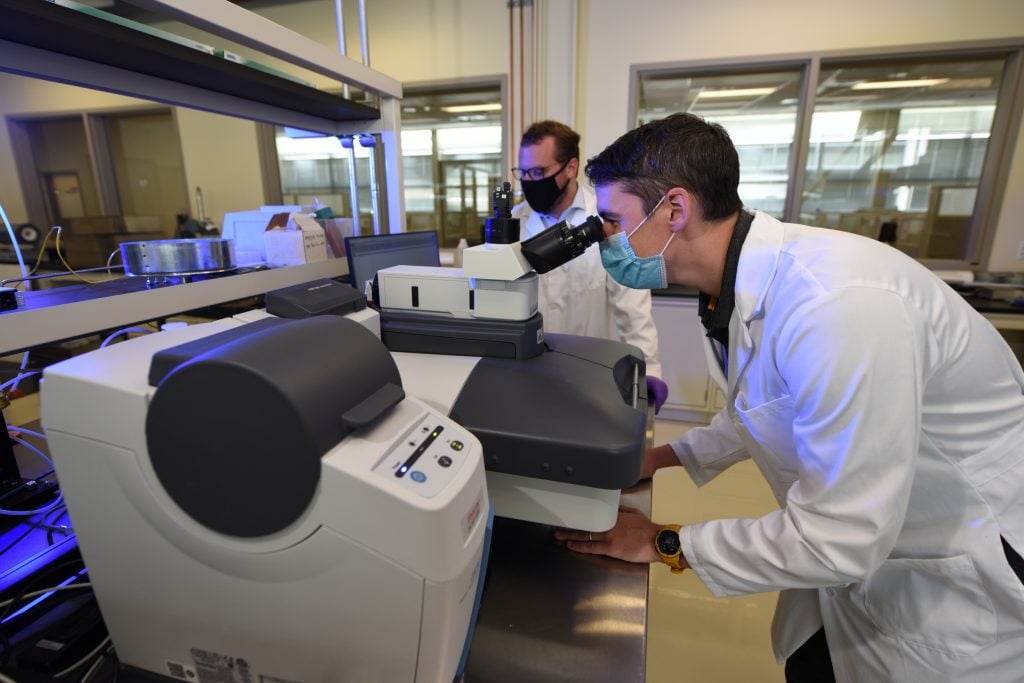
The Irradiated Materials Characterization Laboratory is home to a variety of high-end instruments that allow researchers to study irradiated fuels and materials at the micro, nano and atomic levels, which is where irradiation damage occurs.
Researchers at the Materials and Fuels Complex (MFC) are leading the charge to keep current commercial reactors performing and to create an even safer, less expensive and more reliable next generation of nuclear power plants.
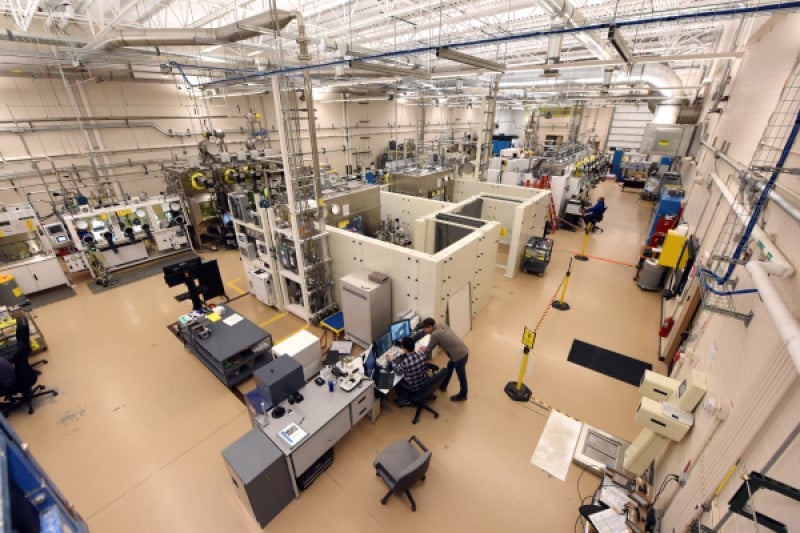
The Pyrochemistry Laboratories play a vital role in researching molten salts for processing used nuclear fuels and developing molten salt reactor systems.
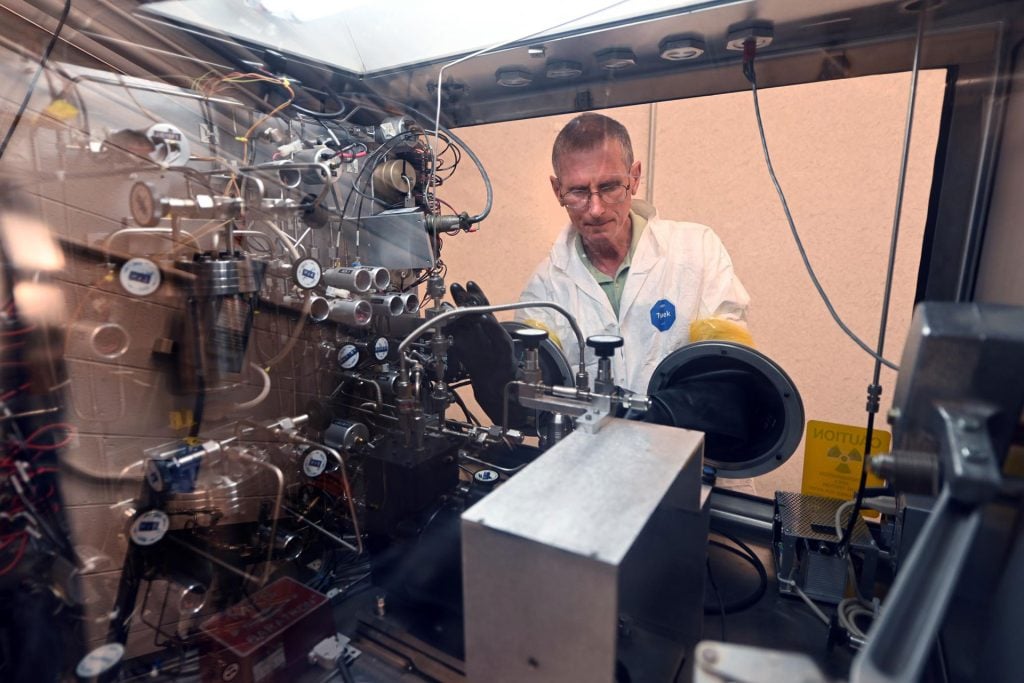
The Safety and Tritium Applied Research (STAR) facility advances tritium and fusion nuclear sciences by allowing researchers to develop and use small-to moderate-level tritium experiments that would be too burdensome to perform at institutions without tritium handling capabilities.
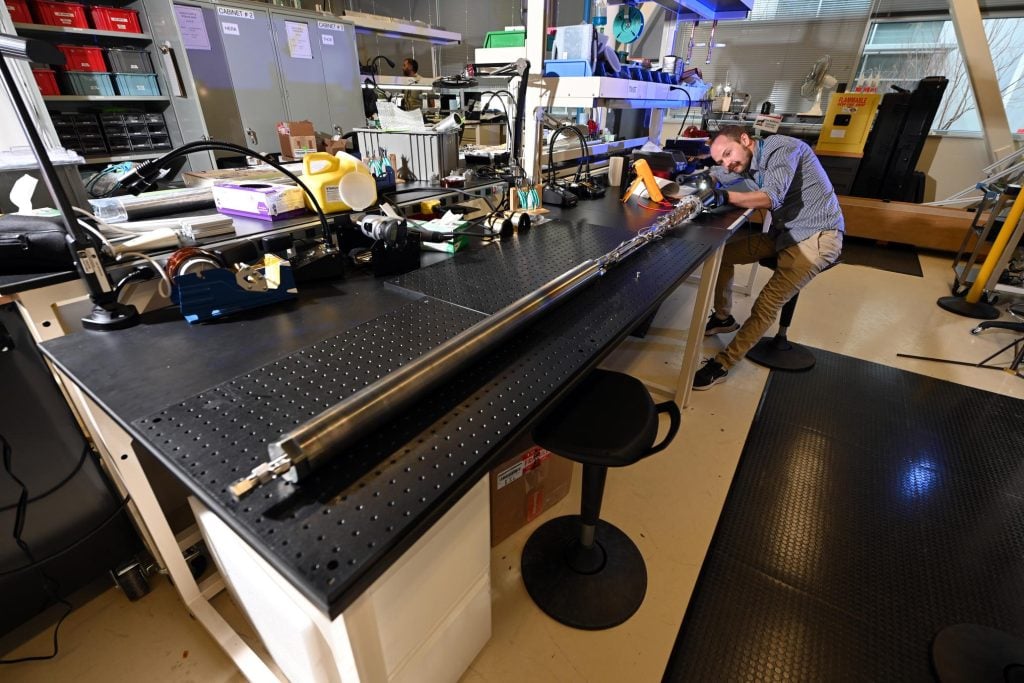
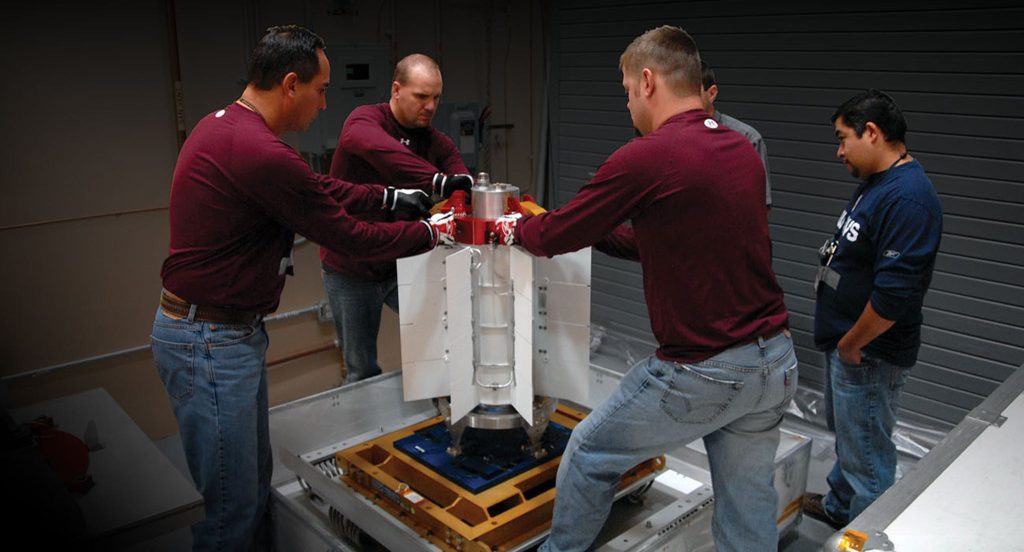
Researchers at the Space & Security Power Systems Facility fuel and test nuclear power sources for deep-space missions. Most recently, INL assembled, tested and delivered the power source for NASA’s Mars Perseverance Rover.
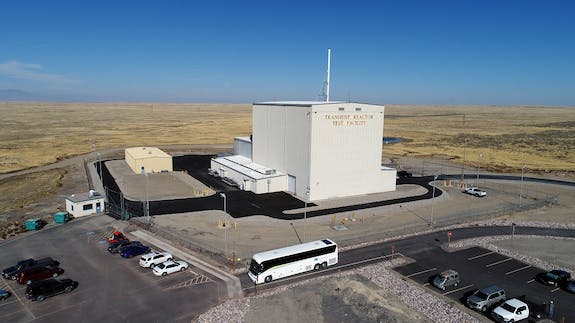
The Transient Reactor Test (TREAT) Facility allows researchers to test nuclear fuels and materials in off-normal and accident conditions, providing key data that helps improve safety and efficiency.
INL researchers are studying ways to provide practical energy options for people and industries, including microgrid systems, water treatment capabilities and reliable chemical production. Their work combines world-class technologies to bring more secure and resilient solutions into today’s industrial landscape.
Battery Test Center
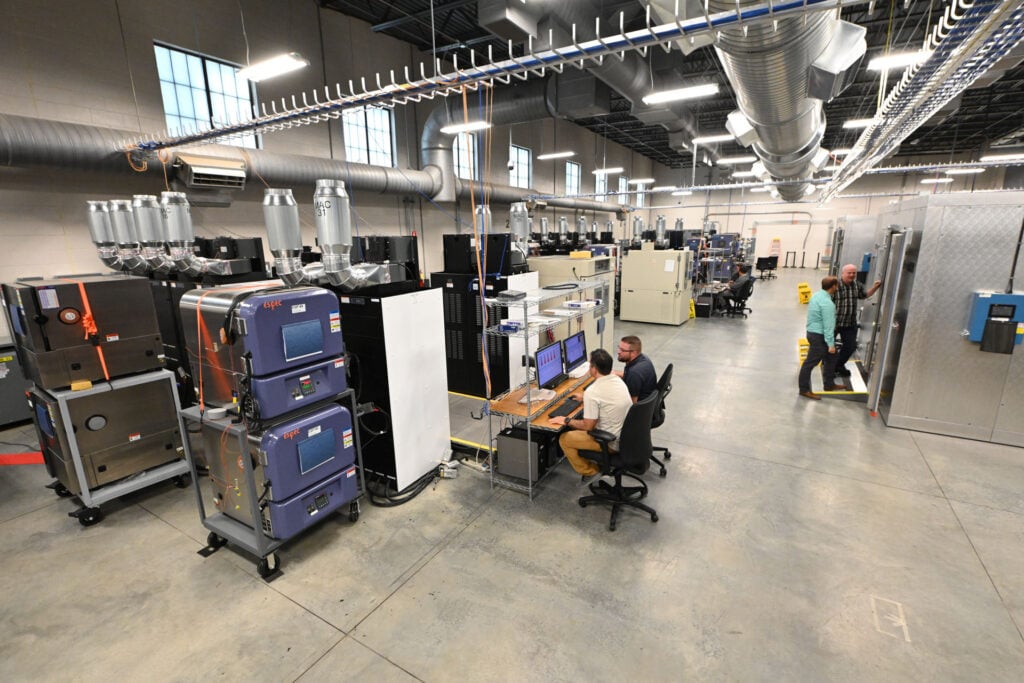
The Battery Test Center serves as the Department of Energy, Office of Energy Efficiency and Renewable Energy’s primary center for battery life and performance testing.
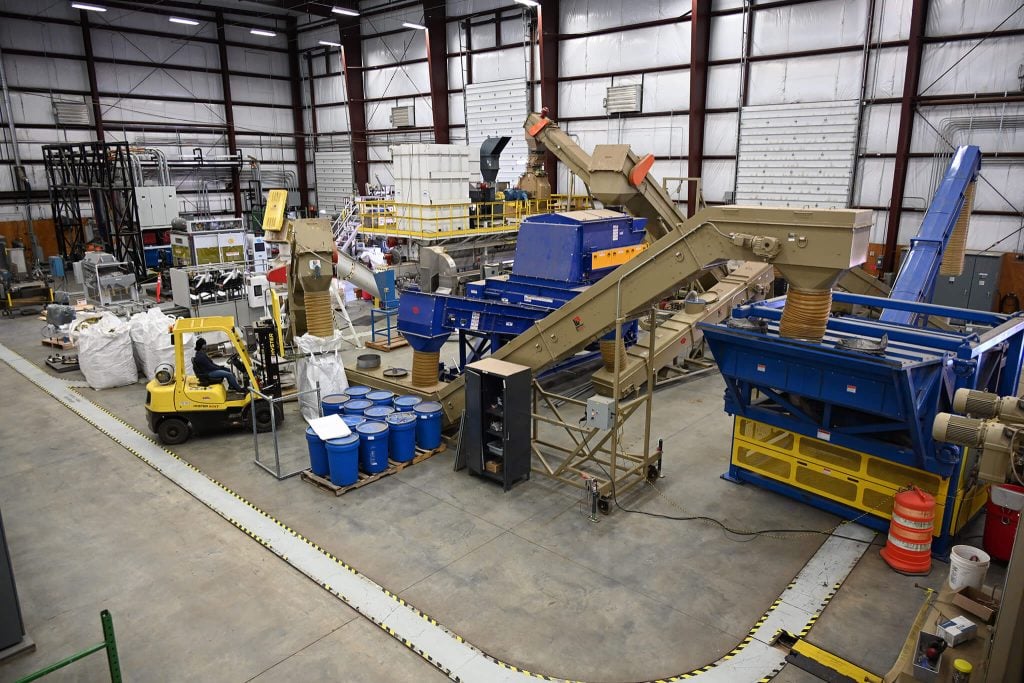
The Biomass Feedstock National User Facility (BFNUF) offers technology and expertise to help the U.S. bioenergy industry overcome biomass challenges during scale up and integration of biomass preprocessing facilities.
Dynamic Energy Transport and Integration Laboratory
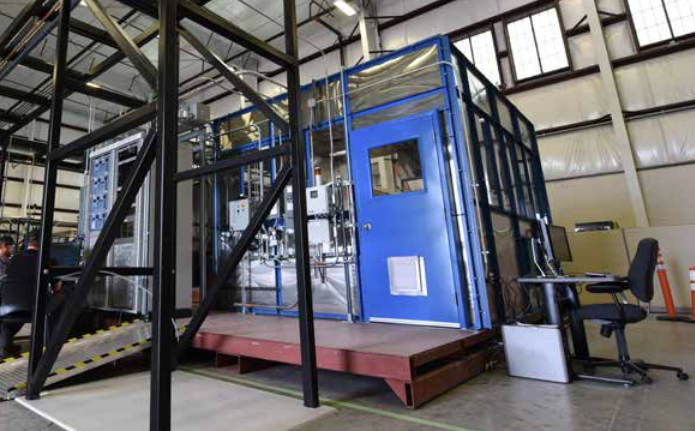
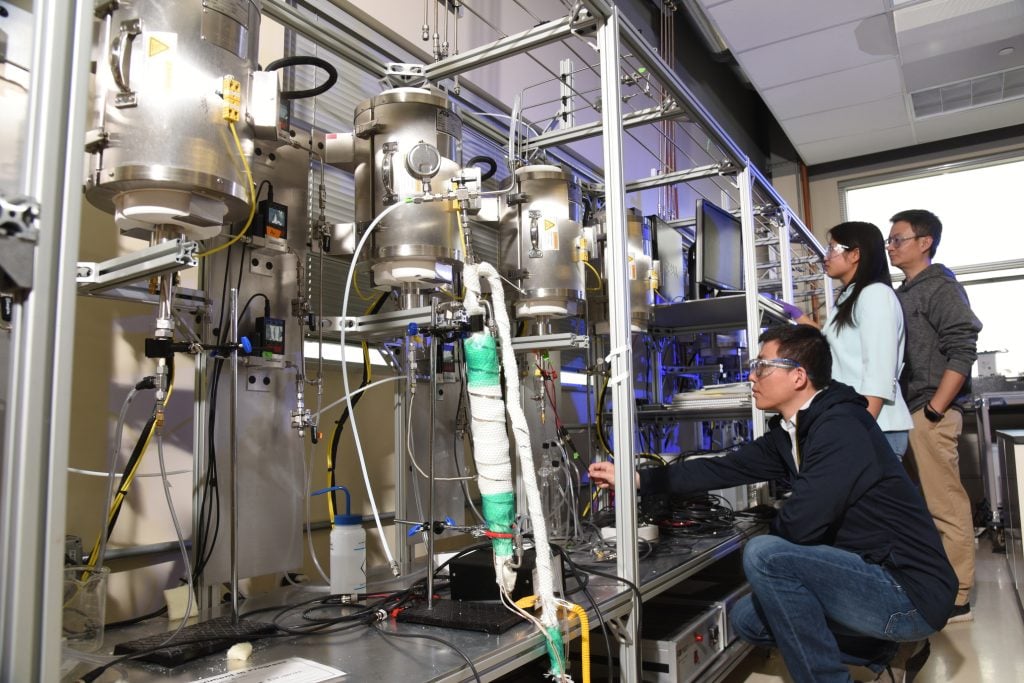
The Electrochemical Processing and Electrocatalysis Lab helps researchers discover better ways to convert inexpensive materials to higher value chemicals, fuels and hydrogen.
Electrochemical Processing and Electrocatalysis Lab
The Electrochemical Processing and Electrocatalysis Lab helps researchers discover better ways to convert inexpensive materials to higher value chemicals, fuels and hydrogen.
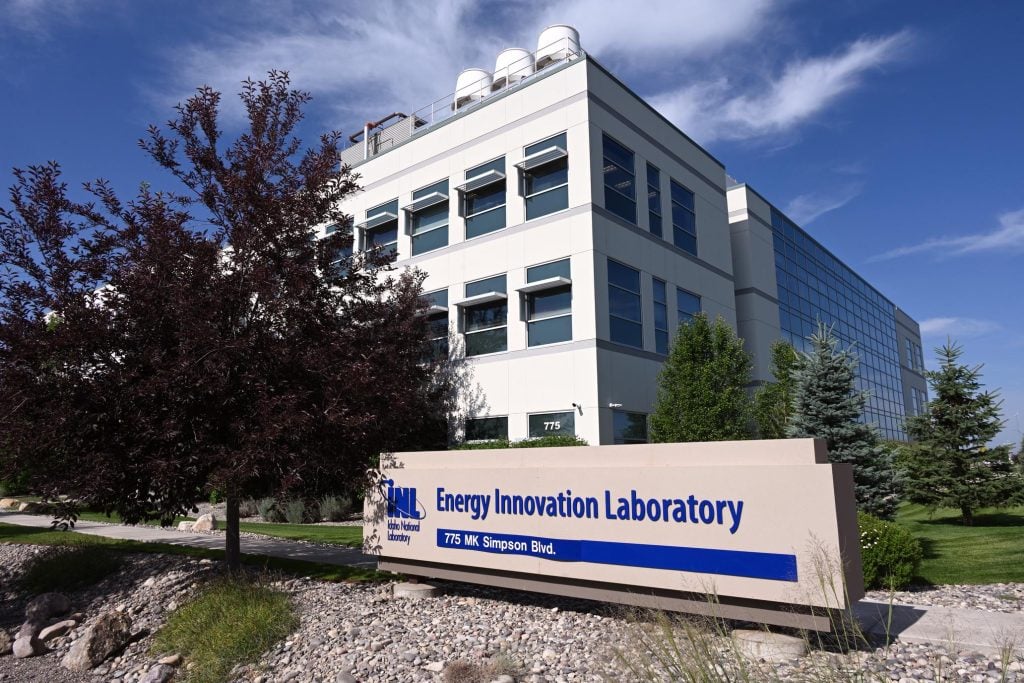
The Energy Innovation Laboratory enables INL researchers to pursue innovative solutions to national energy challenges in advanced clean energy and related environmental science. It also consolidates some of INL’s fundamental research and development activities.
The Energy Systems Laboratory hosts several large research labs and collaboration spaces to support teams working on areas such as advanced manufacturing, bioenergy, integrated energy systems and electric vehicle testing.
INL’s Power and Energy Real-Time Laboratory is equipped with tools to test, validate and develop solutions for recent challenges facing the modern power grid.
The Water Security Test Bed can be used for research related to detecting and decontaminating chemical, biological or radiological agents following a man-made or natural disaster.
INL’s national security experts know how to solve complex problems. Through innovation, expertise and confidentiality, our people come to the lab every day with an unwavering commitment to mission success. Their dedication, passion and patriotism can turn a novel idea into a transformational solution.
Control Systems and Energy Labs
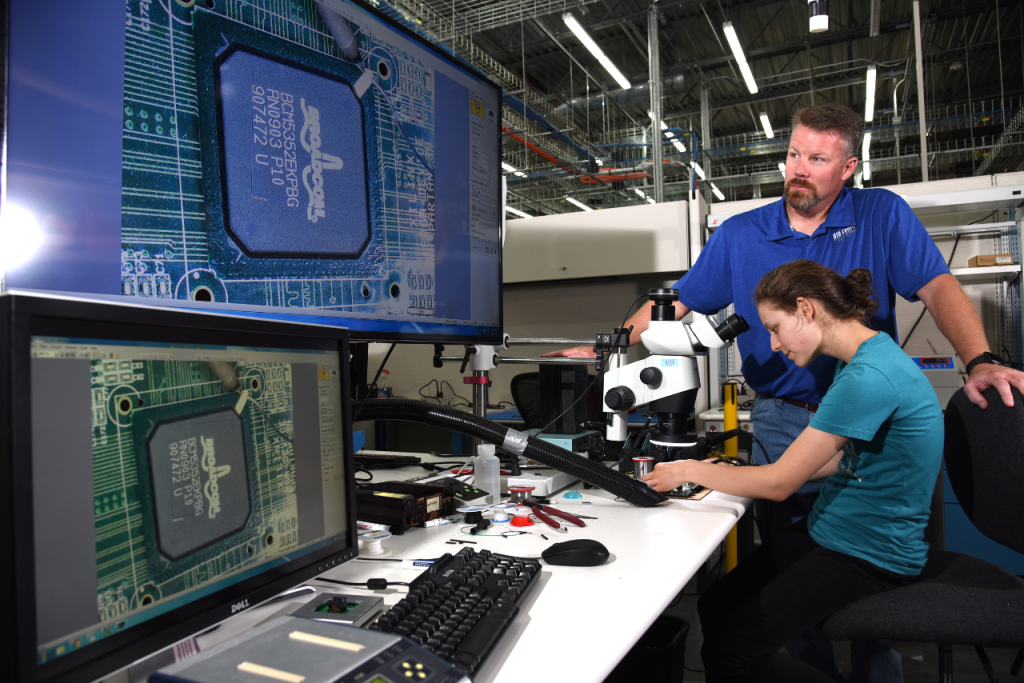
As a world leader in control systems cybersecurity, INL has more than 100,000 square feet of laboratory and electronics testing space for analyzing and testing operational technology such as industrial control systems and other relevant technology including programmable logic controllers, remote terminal units, digital relays and energy management systems. These labs are enhanced by employees with specialized expertise in operational technology cybersecurity, power systems engineering and vulnerability analysis.
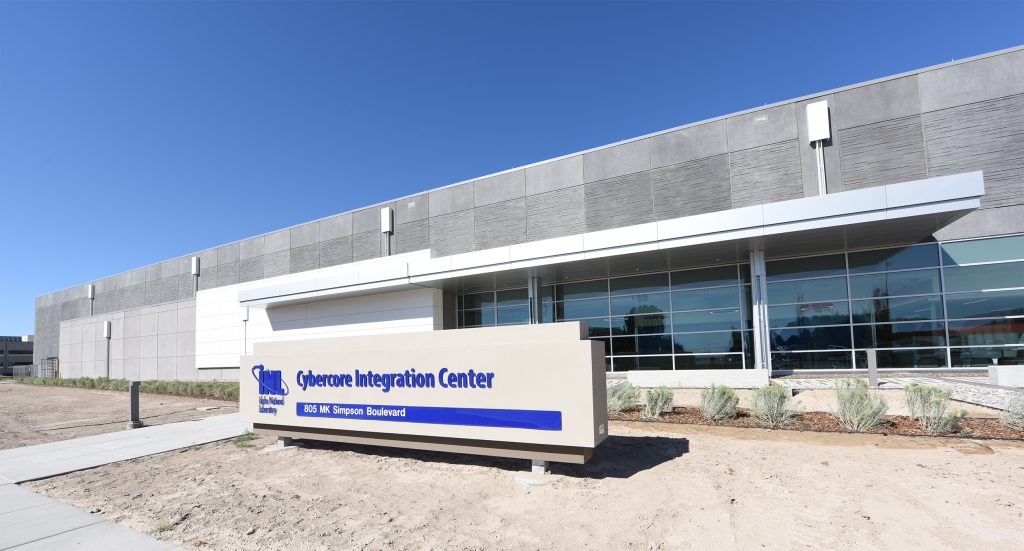
The Cybercore Integration Center enables partnerships across federal agencies, private industry and university partners to secure control systems from cyberthreats. Cybercore brings together experts in critical infrastructure security assessments, cyber forensic analysis, threat detection and consequence-based targeting to provide real-world technical solutions and innovations that protect operational environments from an ever-evolving threat landscape.
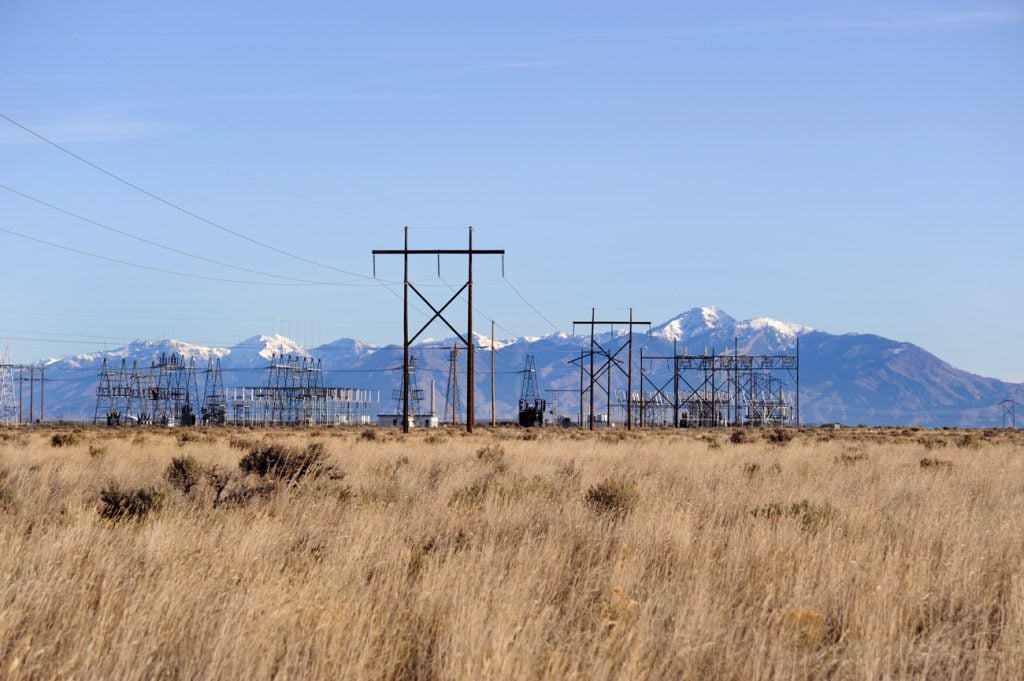
To safeguard the public and support DOE’s mission to ensure our energy delivery system is secure, resilient and reliable, INL operates a utility-scale electric grid test bed. The test bed is an operational, commercially fed system that provides power to INL’s key research facilities across its sprawling 890-square mile desert Site.
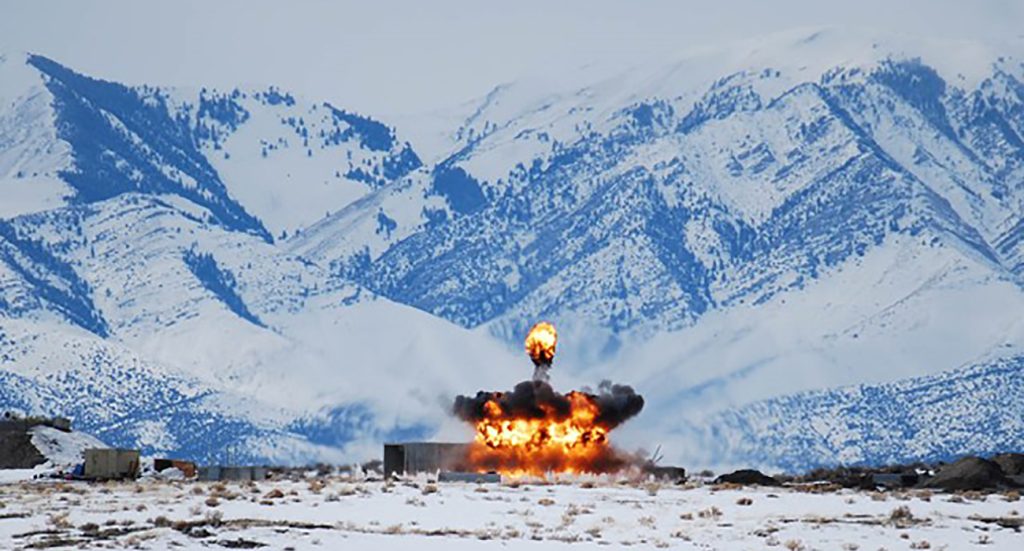
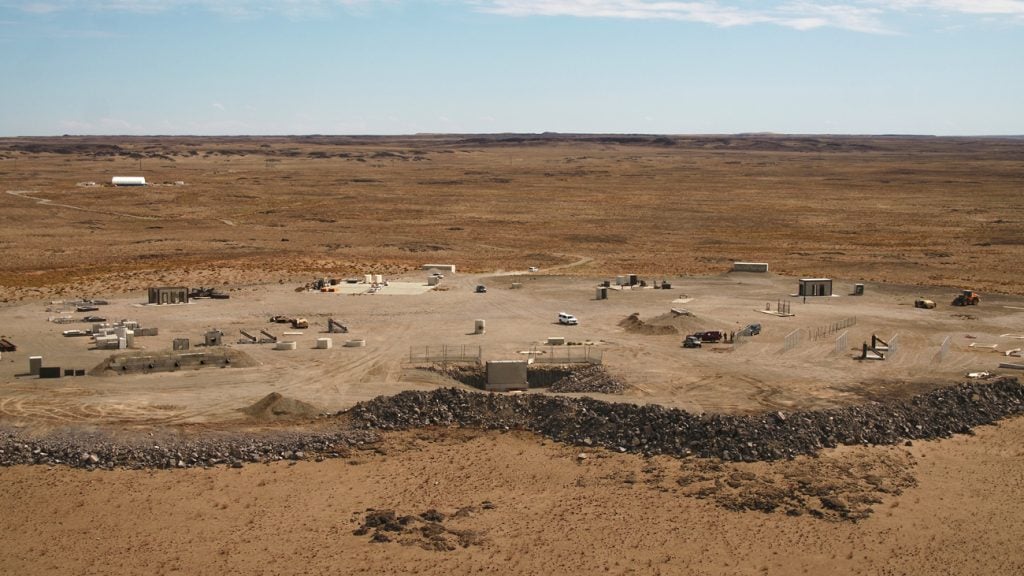
The Explosives Test Range consists of eight indoor and outdoor ranges, and tactical training facilities located on 330 acres of isolated, desert-type terrain. The facilities support research and development testing and training and testing of handguns, rifles and heavy weapons such as machine guns, precision rifles, grenade launchers and shoulder-fired, anti-armor weapons. Explosive training and testing, including breaching, is also conducted.
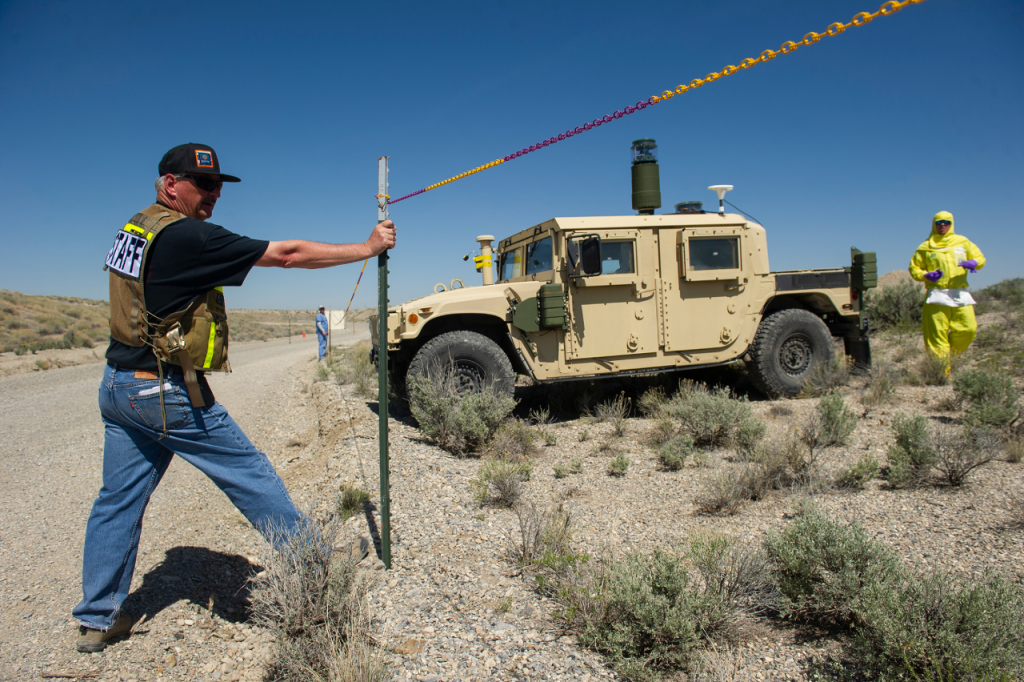
The National Security Test Range provides access to capabilities to understand and mitigate emerging challenges being faced on the battlefield. The range is positioned to support a wide variety of full-scale and practical testing opportunities for the DOE, DOD, NNSA, DHS, and other federal and industrial collaborators. Located about 45 miles west of Idaho Falls, INLs exceptional geography includes 330 acres of isolated desert terrain with eight dedicated test ranges, tactical facilities and restricted airspace that allow research to be conducted safely and securely.
The laboratory’s 890-square mile Site can be used for large-scale interagency technology and capability demonstrations. Students also have access to nuclear facilities including operating reactors, hot cells, and analytical laboratories inside a controlled location that provides a safe and secure environment for training.
INL’s Specific Manufacturing Capability (SMC) has been the lead manufacturer of armor packages for the U.S. Army’s Abrams main battle tank. SMC has the ability to provide independent technical evaluations and solutions to manufacturing, engineering, and material science for a variety of programs and customers. SMC is designated as the Abrams Armor Center of Excellence.
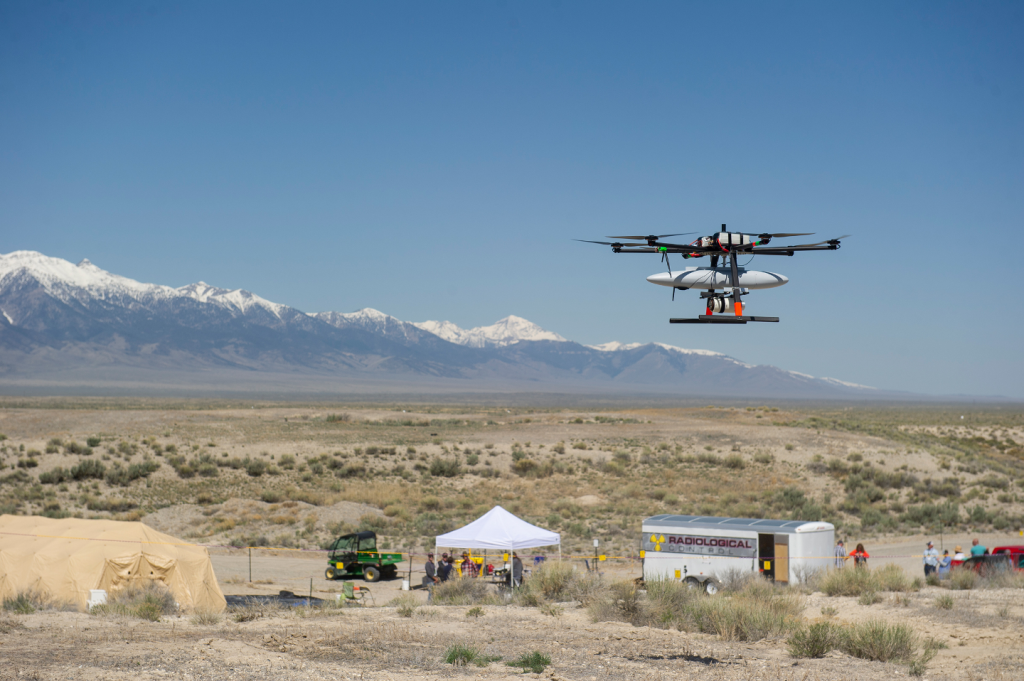
INL’s Unmanned Aerial Systems Runway focuses on applications and missions for a wide variety of customers looking for affordable, field-deployable airframe technologies with meaningful payload and endurance. The lab’s UAS training is designed to ensure that unmanned aerial vehicles are used properly throughout the Department of Energy and its National Nuclear Security Administration.
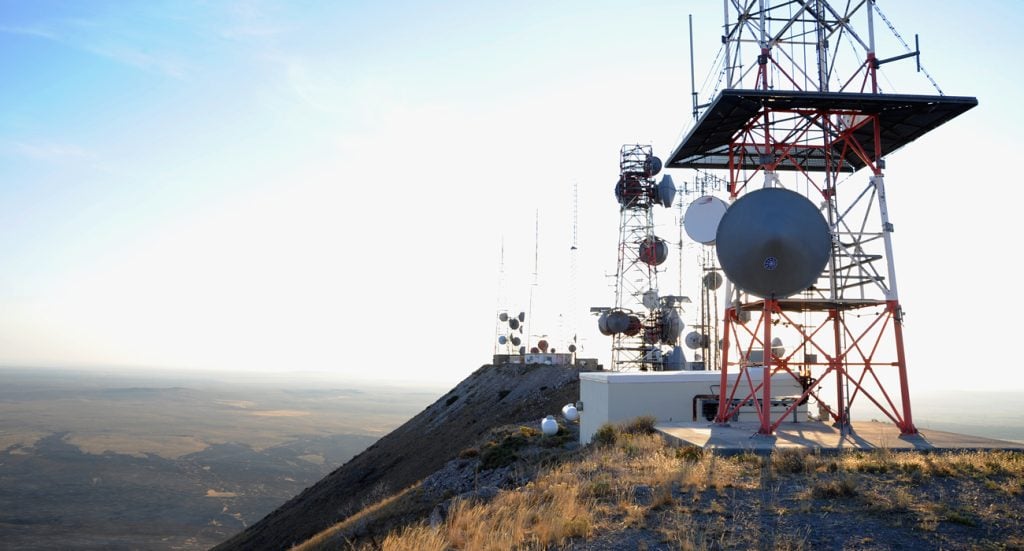
INL’s Wireless Test Bed offers large-scale, end-to-end testing emerging cellular, land mobile radios, wireless local area network and backhaul (microwave, FSO, satellite) systems to industry and government.